
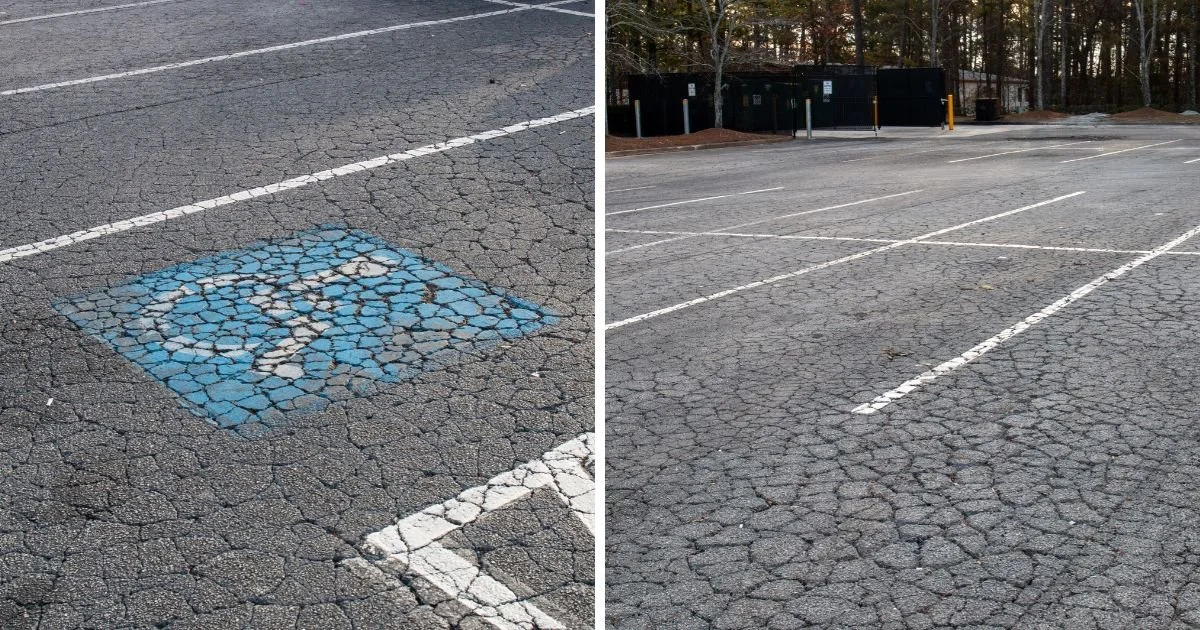
With an exceptionally wet winter expected in the coming months, now is a good time to familiarize yourself with the warning signs of potential asphalt damage. Over the next few weeks, we'll be highlighting some of the most common issues to watch for as harsher weather approaches, starting with one of the most frequently overlooked: Asphalt alligatoring.
Alligatoring is one of the most common types of asphalt damage we're asked about. On the surface, it appears like interlaced cracks that resemble the scales of an alligator, however this type of deterioration is more than just a cosmetic issue. Alligatoring is often an indication of deeper problems, such as sub-base failure or inadequate drainage, which will only get worse over time if it’s not addressed.
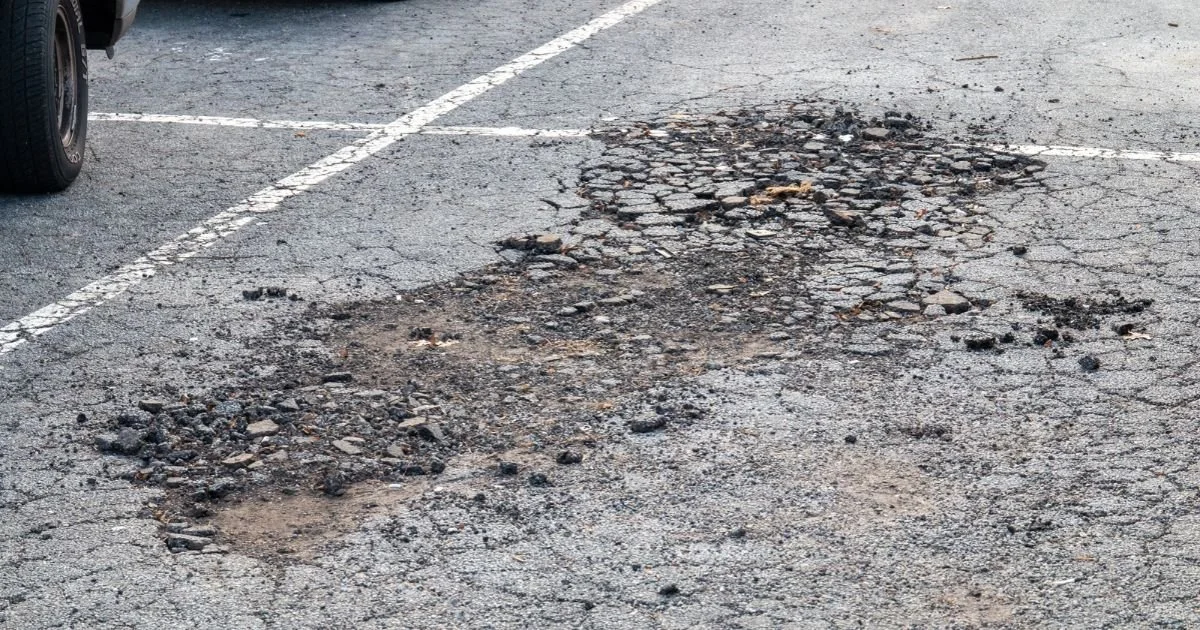
Harsh weather can create problems throughout the year, but the colder months bring an additional concern known as the freeze-thaw cycle. With a wetter-than-normal winter approaching, it's especially important to watch for water penetrating the asphalt and reaching the underlying sub-base. When temperatures drop, that water can freeze and expand, putting pressure on the surrounding pavement and causing the asphalt to crack or break apart. As vehicles travel over these weakened areas, loose pieces of asphalt can break apart, eventually leading to potholes.
Because asphalt alligatoring typically indicates damage beneath the pavement surface, it cannot be effectively repaired with sealant or crack filler alone. A repair that actually lasts requires removing and replacing the affected asphalt, including addressing any underlying issues contributing to the damage. The good news is that identifying the problem early can help limit the extent of the necessary repairs and prevent more extensive deterioration down the road.
Proactive pavement maintenance is one of the best ways to protect your property, minimize costly repairs, and maintain a safe surface!