
Concrete vs. asphalt: What to know for your project
Embarking on a new paving project requires careful long-term planning, so understanding what to consider before you begin is important. Luckily, we’ve put together a quick guide on the pros and cons of concrete and asphalt to help when deciding which will work best for your project.
First, start by looking at the scope of your project. How large is the area you’ll be paving? Then, consider the durability needs for the property. Is this a high-traffic area? What kind of vehicles will be passing through? What type of weather variance exists in your area? Finally, review your desired timeline and overall budget. What funds do you have available for annual maintenance and repairs?
Let’s look at the options…
Concrete
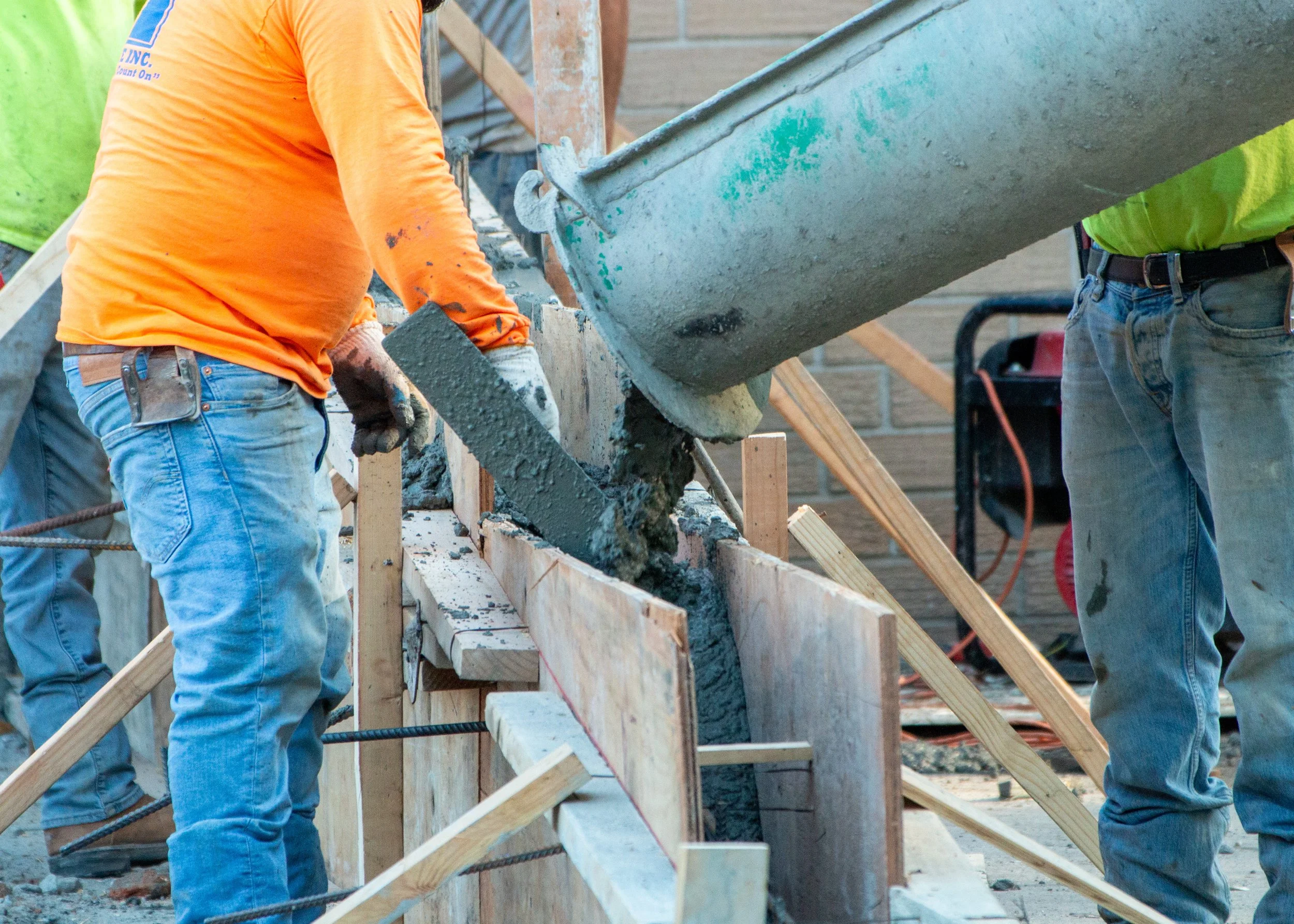
PROS: One of the biggest draws to concrete is that it’s incredibly strong. For example, a 5” concrete pavement has the same load-carrying capacity as 8” asphalt. If you live in an area with high temperatures, it’s important to know that concrete stays around 10 degrees cooler than asphalt. Finally, if you’re looking to add customization or a decorative accent, there are color, stamping, or engraving options available.
CONS: Concrete can require more time to cure before it can be used. Depending on weather conditions, concrete can require up to seven days to cure completely. The up-front costs of concrete are also higher than asphalt. However, in terms of maintenance, concrete generally only requires cleaning and occasional sealing. The higher cost to start is recouped by the added lifespan of concrete, making it a better long-term investment.
Asphalt
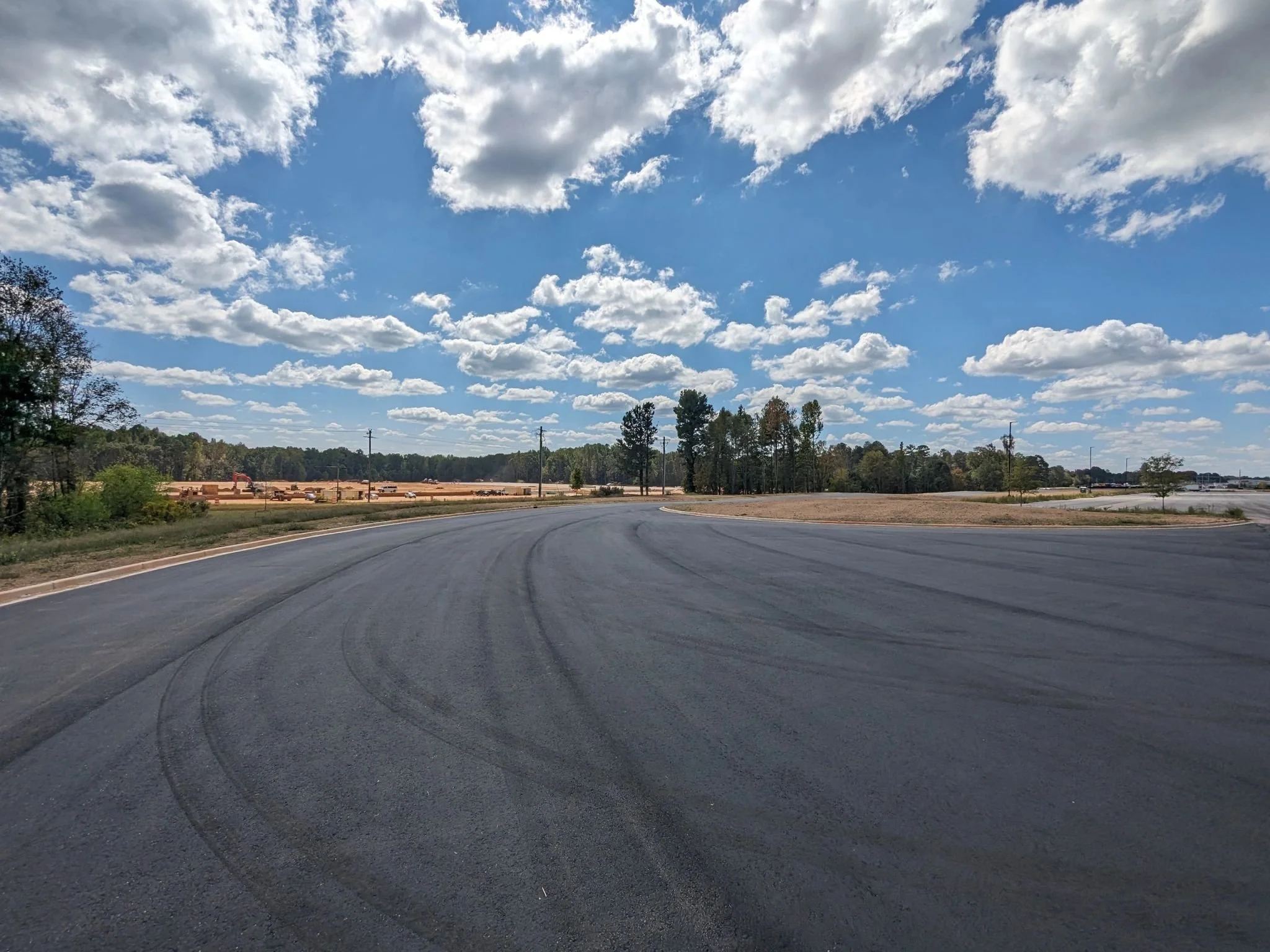
PROS: If you’re looking for a quick turnaround, asphalt is typically ready for foot and vehicle traffic 48-72 hours after installation. It’s also (in most cases) a less expensive option; however, prices do fluctuate with the cost of oil.
CONS: Asphalt may require more repairs down the line and could need additional resurfacing. If you live in an area that’s prone to high temperatures, know that asphalt absorbs heat and could be dangerous to anyone walking barefoot on the property. Finally, if the asphalt is exposed to high temperatures regularly, it can soften over time, leading to cracks and other damage.
We hope this helps as you begin deciding what material to use for your project!
Still have questions? One of our friendly team members would be happy to assist you. Give us a call at 770-985-0195.